India is rich in natural resources, making mining a crucial sector that supports industrial growth, infrastructure development, and energy production. The mining process for minerals India plays a vital role in extracting valuable resources such as coal, iron ore, bauxite, and limestone. These minerals are essential for various industries, including construction, manufacturing, and power generation. As demand for raw materials continues to rise, the importance of efficient and sustainable resource extraction has become more significant than ever.
The mining industry in India has evolved over time, incorporating advanced technologies and improved safety measures. However, it still faces challenges related to environmental impact and regulatory compliance. Understanding the mining process for minerals India helps highlight its contribution to economic development while emphasizing the need for responsible resource extraction practices.
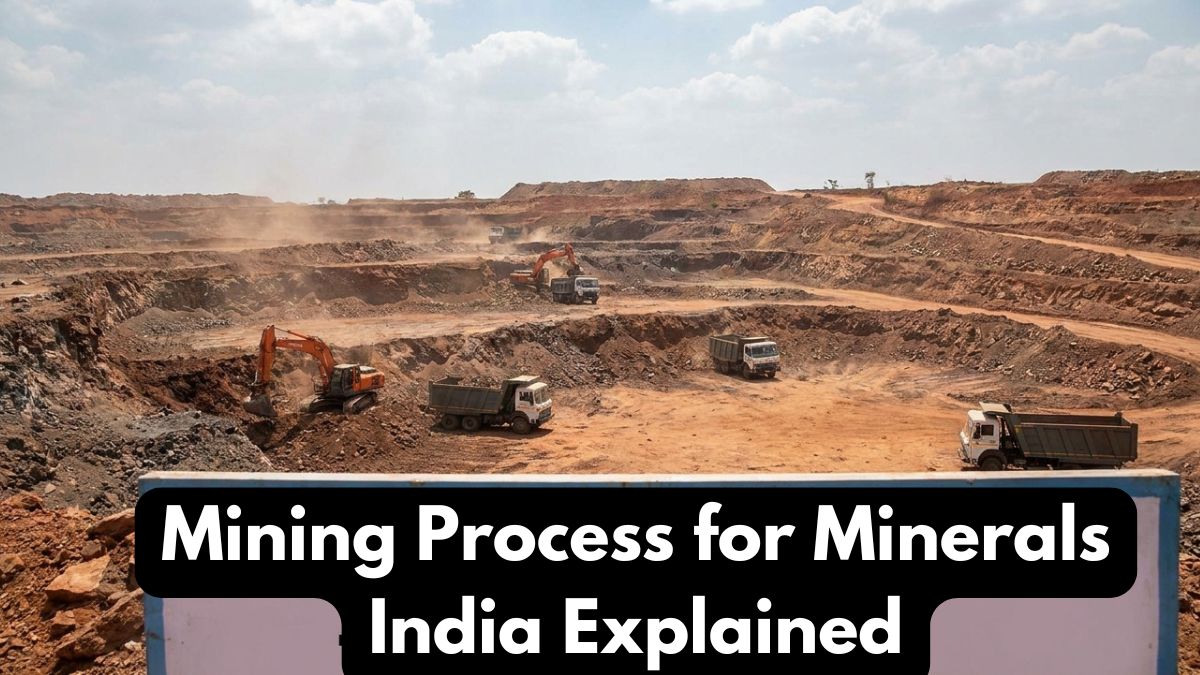
Overview of Mining Process in India
The mining process for minerals India involves several stages, each designed to ensure efficient extraction and processing of minerals. These stages include exploration, extraction, processing, and transportation. Each step plays a critical role in the overall functioning of the mining industry.
The process begins with exploration, where geologists identify potential mineral deposits using surveys and advanced technologies. Once a deposit is confirmed, the extraction phase begins. This stage involves removing minerals from the earth using methods such as open-pit mining or underground mining. The extracted materials are then processed to separate valuable minerals from waste.
Efficient resource extraction is essential to maximize output while minimizing environmental impact. The mining process for minerals India is designed to balance productivity with sustainability, ensuring long-term benefits for the mining industry.
Types of Mining Methods
Different methods are used in the mining process for minerals India depending on the type of mineral and location of the deposit. These methods are essential for effective resource extraction and support the growth of the mining industry.
Common mining methods include:
- Open-pit mining for surface-level deposits
- Underground mining for deep mineral deposits
- Placer mining for minerals found in riverbeds
- In-situ mining for extracting minerals without removing rock
Each method has its own advantages and challenges. The choice of method depends on factors such as cost, environmental impact, and efficiency. The mining process for minerals India uses a combination of these techniques to ensure optimal resource extraction.
Comparison of Mining Methods
Understanding different mining techniques helps evaluate their efficiency and impact. The table below compares key methods used in the mining process for minerals India:
| Mining Method | Description | Suitable For | Key Advantage |
|---|---|---|---|
| Open-Pit Mining | Surface mining with large pits | Coal, iron ore | Cost-effective |
| Underground Mining | Mining below the earth’s surface | Gold, diamonds | Access to deep deposits |
| Placer Mining | Extraction from river sediments | Gold, minerals | Minimal excavation |
| In-Situ Mining | Extraction without surface removal | Uranium | Reduced environmental impact |
These methods highlight the diversity of the mining process for minerals India and its role in efficient resource extraction. The mining industry continues to adopt new techniques to improve productivity and sustainability.
Importance of Mining Industry in India
The mining process for minerals India is a key driver of economic growth. It provides raw materials for industries such as steel, cement, and energy, making it an essential part of the country’s development. The mining industry also generates employment and contributes significantly to government revenue.
Efficient resource extraction ensures a steady supply of minerals required for infrastructure projects and industrial production. The mining process for minerals India supports various sectors, including construction and manufacturing, by providing essential raw materials.
In addition, the mining industry plays a crucial role in exports, contributing to foreign exchange earnings. The continuous development of mining operations is vital for sustaining economic growth and meeting industrial demands.
Challenges in Mining Process for Minerals India
Despite its importance, the mining process for minerals India faces several challenges. Environmental concerns are one of the major issues, as mining activities can lead to deforestation, soil erosion, and water pollution. Ensuring sustainable resource extraction is therefore a key priority.
Other challenges include:
- Regulatory and compliance issues
- High operational costs
- Safety risks for workers
- Limited adoption of advanced technology
The mining industry must address these challenges to ensure long-term sustainability. Improving efficiency in the mining process for minerals India and adopting eco-friendly practices can help reduce environmental impact.
Future Trends in Mining Industry
The future of the mining process for minerals India is being shaped by innovation and sustainability. Advanced technologies such as automation, artificial intelligence, and remote sensing are improving efficiency and safety in mining operations. These advancements are transforming the mining industry and enhancing resource extraction methods.
The focus on sustainable mining practices is also increasing, with efforts to reduce environmental impact and promote responsible resource use. The mining process for minerals India is evolving to meet global standards and ensure long-term viability.
As demand for minerals continues to grow, the mining industry will play an even more important role in supporting economic development. The integration of technology and sustainable practices will be key to the future of resource extraction.
Conclusion
The mining process for minerals India is a vital component of the country’s industrial and economic framework. By enabling efficient resource extraction, it supports various industries and contributes to national growth. While challenges remain, advancements in technology and sustainable practices are helping the mining industry evolve. The future of mining in India depends on balancing economic benefits with environmental responsibility.
FAQs
What is the mining process for minerals India?
It is the process of exploring, extracting, and processing minerals from the earth.
What is resource extraction in mining?
Resource extraction refers to the removal of valuable minerals from the earth for industrial use.
What are the main types of mining methods?
Common methods include open-pit mining, underground mining, placer mining, and in-situ mining.
Why is the mining industry important in India?
The mining industry provides raw materials, supports economic growth, and generates employment.
What challenges does the mining process for minerals India face?
Challenges include environmental impact, high costs, and safety concerns.
Click here to learn more