Rapid urbanization and rising global temperatures are intensifying heat-related risks across metropolitan regions worldwide. Dense construction, limited green spaces, and aging infrastructure amplify heat retention, making cities particularly vulnerable to extreme weather events. In response, policymakers, planners, and architects are rethinking how urban environments are designed and managed. The concept of heat resilient cities has emerged as a strategic response that prioritizes long-term climate adaptation while strengthening overall urban resilience. These approaches aim not only to reduce heat exposure but also to protect public health, infrastructure, and economic productivity.
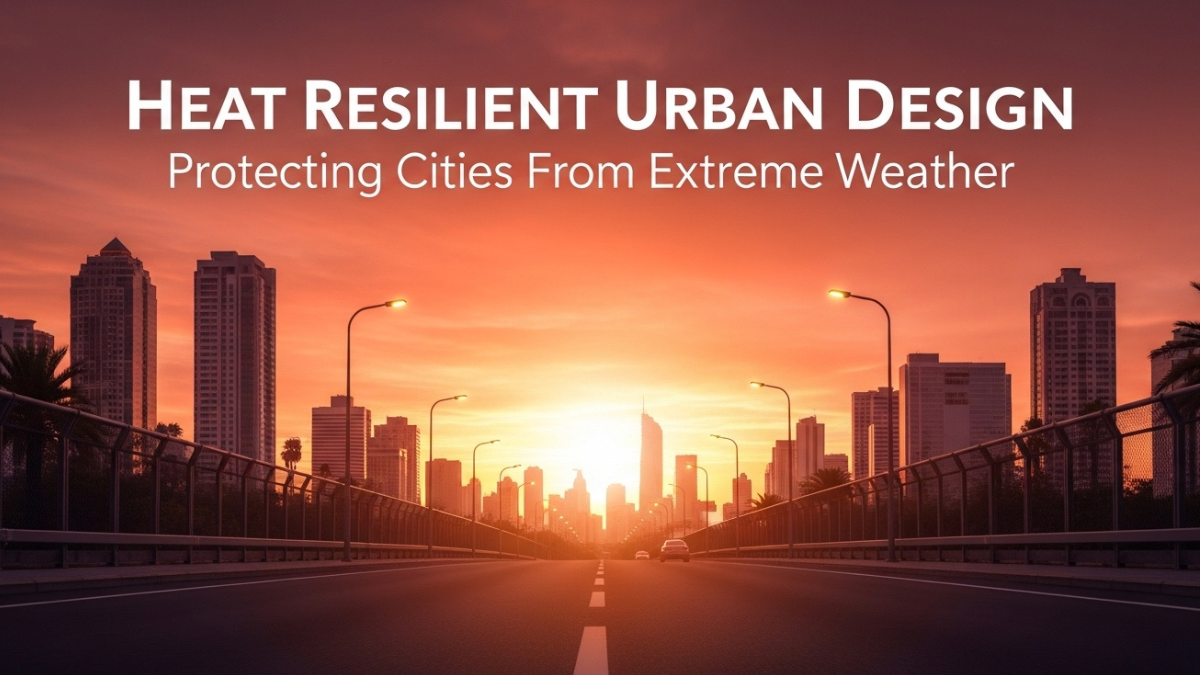
Understanding Heat Resilient Cities
The development of heat resilient cities focuses on minimizing the negative impacts of extreme heat through integrated planning and design strategies. This involves redesigning buildings, transportation networks, and public spaces to reduce heat absorption and improve thermal comfort. Unlike short-term cooling solutions, these strategies emphasize climate adaptation measures that evolve alongside changing environmental conditions. By embedding resilience into city systems, heat resilient cities enhance their ability to withstand heatwaves while maintaining livability and functionality.
Urban planners increasingly view urban resilience as a multi-dimensional framework that includes environmental, social, and economic factors. Heat resilience initiatives often intersect with energy efficiency, water management, and public health planning, creating co-benefits that extend beyond temperature control.
Climate Adaptation Strategies in Urban Design
Effective climate adaptation is central to building heat resilient cities. Cities are adopting nature-based solutions and innovative materials to counter rising temperatures. Green roofs, reflective surfaces, and shaded corridors reduce surface heat while improving air quality. These strategies also contribute to urban resilience by lowering energy demand and mitigating climate-related stress on infrastructure.
Common climate adaptation measures include:
- Expanding urban tree canopies
- Using cool roofs and reflective pavements
- Designing ventilation corridors for airflow
- Integrating water features for evaporative cooling
By implementing these approaches, heat resilient cities transform climate risk into an opportunity for sustainable urban renewal.
Comparison of Traditional vs Heat-Resilient Urban Design
The table below illustrates how heat resilient cities differ from conventional urban planning approaches and how climate adaptation strengthens urban resilience:
| Aspect | Traditional Urban Design | Heat Resilient Urban Design |
|---|---|---|
| Building Materials | Heat-absorbing surfaces | Reflective and cooling materials |
| Green Spaces | Limited and decorative | Functional cooling ecosystems |
| Energy Demand | High cooling dependency | Reduced energy consumption |
| Public Health Impact | Increased heat stress | Improved thermal comfort |
| Long-Term Resilience | Reactive planning | Proactive climate adaptation |
This comparison highlights how heat resilient cities prioritize long-term sustainability over short-term fixes.
Role of Urban Resilience in Public Health and Economy
Strengthening urban resilience is essential for protecting vulnerable populations during extreme heat events. Heatwaves disproportionately affect older adults, children, and low-income communities. By investing in heat resilient cities, governments reduce heat-related illnesses and mortality rates while improving social equity. Public cooling centers, resilient housing, and accessible green spaces play a vital role in safeguarding health.
Economically, climate adaptation strategies lower infrastructure maintenance costs and prevent productivity losses caused by extreme heat. Businesses operating in heat resilient cities benefit from stable operations, reduced energy expenses, and improved workforce well-being. Over time, these advantages enhance the overall competitiveness and attractiveness of resilient urban regions.
Long-Term Planning and Policy Integration
Building heat resilient cities requires coordinated policy frameworks and long-term investment. Zoning regulations, building codes, and urban development incentives must align with climate adaptation goals. Cities that embed urban resilience into policy decision-making are better equipped to manage future climate uncertainties.
Public-private partnerships are also accelerating innovation in resilient infrastructure. As data-driven planning tools and climate modeling improve, heat resilient cities can adapt dynamically to emerging risks, ensuring sustainable growth despite rising temperatures.
Conclusion: Shaping the Future of Heat Resilient Cities
In conclusion, heat resilient cities represent a forward-looking response to the growing threat of extreme heat. By prioritizing climate adaptation and strengthening urban resilience, cities can protect residents, infrastructure, and economic systems from long-term climate impacts. As urban populations continue to expand, the adoption of heat-resilient design principles will be essential for creating livable, sustainable, and climate-ready cities.
FAQs
What are heat resilient cities?
Heat resilient cities are urban areas designed to reduce heat exposure and withstand extreme temperature events through adaptive planning and infrastructure.
How does climate adaptation help cities manage heat?
Climate adaptation introduces design and policy measures that reduce heat buildup and improve long-term thermal comfort.
Why is urban resilience important for extreme weather?
Urban resilience ensures cities can absorb, recover from, and adapt to climate-related stresses without major disruptions.
Do heat resilient cities reduce energy consumption?
Yes, cooling materials, green spaces, and efficient design lower energy demand and reduce reliance on air conditioning.
Click here to learn more