Urban lifestyles are changing rapidly, and one of the most noticeable shifts is the growing public transport trend among young people. Where private cars once symbolized independence and success, modern urban youth are now redefining mobility. They are embracing buses, trains, subways, and shared transit networks as smarter, more responsible ways to move through cities. This transformation is driven by environmental awareness, rising living costs, and the evolving concept of city mobility that prioritizes accessibility and efficiency. As cities grow more congested and polluted, the public transport trend reflects a generational commitment to sustainability and practical cost savings.
Young professionals and students are increasingly aware of the long-term impact of their transportation choices. Climate change discussions, urban congestion, and financial pressures have shaped new habits. Choosing public transit allows individuals to lower their carbon footprint, reduce daily expenses, and contribute to healthier urban environments. This cultural shift has elevated the public transport trend from a necessity into a lifestyle statement, aligning personal choices with global sustainability goals and more efficient city mobility systems.
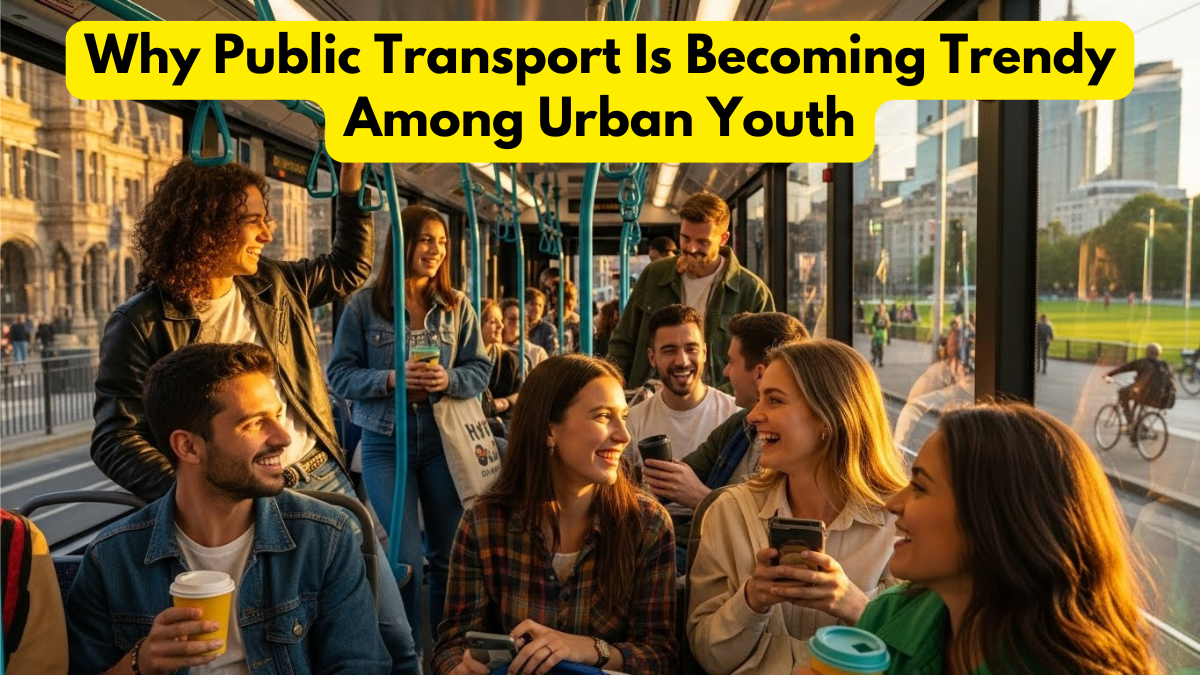
The Environmental and Economic Appeal
The environmental benefits of the public transport trend are undeniable. Public transit significantly reduces greenhouse gas emissions per passenger compared to private vehicles. By minimizing fuel consumption and traffic congestion, cities move closer to achieving sustainability targets. Urban youth, often at the forefront of environmental movements, see public transportation as a direct way to combat climate change while supporting smarter city mobility.
At the same time, the financial advantages are equally compelling. Rising fuel prices, vehicle maintenance costs, insurance premiums, and parking fees make private car ownership increasingly burdensome. Public transportation offers substantial cost savings, freeing up income for education, housing, and personal development. For young adults navigating economic uncertainty, the public transport trend provides financial stability without sacrificing mobility or independence.
Public Transport and the Future of City Mobility
Modern cities are reimagining infrastructure to support the public transport trend. Investments in metro systems, electric buses, cycling networks, and pedestrian-friendly design improve overall city mobility. These developments create interconnected transit ecosystems that allow residents to travel efficiently without relying on personal vehicles. Smart ticketing systems, real-time transit apps, and integrated mobility platforms enhance convenience and accessibility.
This evolution benefits not only individual commuters but entire urban economies. Efficient city mobility increases productivity, reduces commute stress, and improves public health. The public transport trend thus becomes a cornerstone of urban development strategies, aligning infrastructure planning with sustainability objectives and economic growth.
Comparison of Private Transport vs Public Transport
| Factor | Private Transport | Public Transport |
|---|---|---|
| Environmental impact | High emissions | Supports sustainability |
| Daily expenses | High | Significant cost savings |
| Traffic congestion | Increases | Reduces |
| Accessibility | Limited | Enhances city mobility |
| Urban planning impact | Negative | Positive |
| Role in public transport trend | Declining | Rapidly growing |
This comparison highlights why the public transport trend continues gaining momentum among urban youth.
Cultural Shifts and Social Identity
Beyond practicality, the public transport trend represents a cultural shift. Urban youth now associate public transit with social responsibility, community, and modern living. Riding a subway or electric bus signals participation in a collective effort toward sustainability. Shared spaces foster interaction, creativity, and a sense of belonging within diverse communities.
Social media further amplifies this identity shift. Young commuters share experiences, promote eco-friendly commuting, and advocate for improved city mobility. The visibility of these choices reinforces positive behavior and accelerates adoption of the public transport trend across cities worldwide.
Long-Term Implications for Urban Development
The continued rise of the public transport trend will reshape cities for decades to come. As more residents rely on public transit, demand grows for greener vehicles, expanded networks, and smarter infrastructure. Urban planners integrate sustainability principles into development, creating compact, walkable communities supported by efficient city mobility.
Economically, reduced transportation expenses generate widespread cost savings that strengthen household finances and local economies. Environmentally, lower emissions and cleaner air improve public health. Together, these outcomes position the public transport trend as a driving force behind sustainable urban futures.
Conclusion
The increasing popularity of public transit among urban youth reflects a powerful convergence of environmental awareness, financial responsibility, and evolving lifestyle values. The public transport trend supports sustainability, improves city mobility, and delivers essential cost savings for individuals and communities alike. As cities continue to grow, this movement will remain central to building healthier, smarter, and more resilient urban environments.
FAQs
Why is public transport becoming more popular with young people?
The public transport trend appeals to youth due to its support for sustainability, improved city mobility, and meaningful cost savings.
Does public transport really save money?
Yes. Public transit offers significant cost savings compared to car ownership, including fuel, maintenance, and parking expenses.
How does public transport help sustainability?
The public transport trend reduces emissions, traffic congestion, and energy consumption, supporting long-term sustainability goals.
Will the public transport trend continue growing?
Absolutely. As cities expand and environmental concerns increase, the public transport trend will remain central to future urban planning and city mobility strategies.
Click here to learn more