The automotive industry is experiencing a major shift as in car AI assistants become an integral part of modern vehicles. In 2026, cars are no longer just modes of transportation but intelligent systems designed to enhance safety, comfort, and efficiency. Drivers today expect more than basic navigation or music controls; they want real-time assistance that understands context, preferences, and driving conditions. This demand has accelerated the adoption of AI-powered systems that transform how drivers interact with their vehicles on a daily basis.
The rise of in car AI assistants is closely tied to the evolution of smart vehicles. These assistants act as digital copilots, helping drivers manage tasks without distraction. From voice-activated controls to predictive alerts, AI-driven features reduce cognitive load and allow drivers to focus on the road. As car technology advances, the relationship between humans and vehicles is becoming more collaborative, intuitive, and responsive.
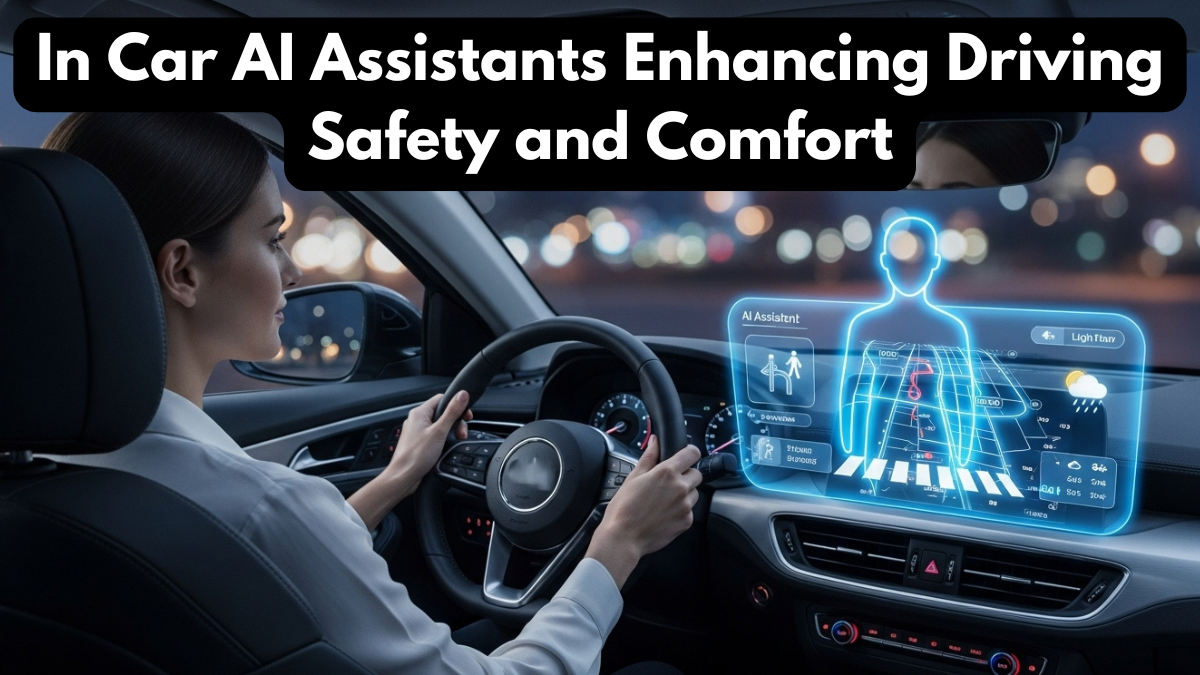
How In Car AI Assistants Work Inside Smart Vehicles
At the core of in car AI assistants is a combination of machine learning, natural language processing, and sensor integration. These systems collect data from cameras, radar, GPS, and internal vehicle sensors to understand driving conditions and driver behavior. By analyzing this data in real time, AI assistants can provide timely recommendations, warnings, and assistance.
In smart vehicles, AI assistants continuously learn from user preferences such as preferred routes, climate settings, and driving habits. Over time, the system adapts to individual needs, offering personalized experiences that feel natural rather than automated. Advanced car technology allows these assistants to interact seamlessly with navigation, infotainment, and safety systems, creating a unified driving experience that prioritizes convenience and control.
Safety Enhancements Enabled by In Car AI Assistants
One of the most significant benefits of in car AI assistants is their contribution to road safety. By monitoring both the external environment and driver behavior, AI systems can detect potential risks before they escalate into accidents. Features such as collision warnings, lane departure alerts, and fatigue detection are becoming standard in smart vehicles equipped with AI technology.
Key safety-related functions include:
- Real-time hazard detection and alerts
- Driver drowsiness and distraction monitoring
- Adaptive cruise control support
- Emergency response and assistance notifications
These capabilities demonstrate how in car AI assistants are transforming car technology from passive tools into active safety partners. As adoption increases, AI-driven safety systems are expected to significantly reduce accident rates and improve overall road safety.
Comfort and Convenience Benefits of In Car AI Assistants
Beyond safety, in car AI assistants play a crucial role in enhancing driver and passenger comfort. Voice-controlled systems allow users to adjust climate settings, manage calls, send messages, and control entertainment without taking their hands off the wheel. This hands-free interaction minimizes distractions while maximizing convenience.
The table below highlights how AI-powered assistance improves comfort in modern vehicles:
| Feature Area | Traditional Cars | Smart Vehicles with AI |
|---|---|---|
| Controls | Manual inputs | Voice and gesture based |
| Personalization | Limited | Highly personalized |
| Navigation | Static routes | Predictive route planning |
| Entertainment | Basic infotainment | Adaptive content suggestions |
These enhancements show why in car AI assistants are becoming essential components of next-generation car technology. By combining personalization with automation, they elevate the driving experience for users of all ages.
Challenges and Ethical Considerations in AI-Powered Car Technology
Despite the advantages, in car AI assistants present challenges that manufacturers and regulators must address. Data privacy is a major concern, as AI systems collect and process sensitive information about driving habits and locations. Ensuring transparent data usage and robust cybersecurity measures is essential to maintain consumer trust in smart vehicles.
Another challenge lies in balancing automation with driver responsibility. While AI assistants provide valuable support, overreliance on technology can reduce driver attentiveness. Automotive companies must design car technology that encourages collaboration between human drivers and AI systems rather than complete dependency. Responsible innovation will determine the long-term success of AI-driven automotive solutions.
Conclusion
As vehicles continue to evolve into intelligent mobility platforms, in car AI assistants are playing a pivotal role in shaping the future of driving. By enhancing safety, comfort, and personalization, these systems are redefining what smart vehicles can offer. With continued advancements in car technology, AI assistants will become even more intuitive and reliable, supporting drivers without replacing human judgment. In 2026 and beyond, the integration of AI into vehicles represents a significant step toward safer, smarter, and more enjoyable transportation.
FAQ
What are in car AI assistants?
In car AI assistants are intelligent systems integrated into vehicles that provide voice-based control, safety alerts, and personalized driving support.
How do in car AI assistants improve safety?
They monitor road conditions and driver behavior, offering real-time warnings and assistance to prevent accidents.
Are in car AI assistants part of smart vehicles?
Yes, they are a core feature of smart vehicles, enabling automation, personalization, and advanced safety functions.
Do in car AI assistants collect personal data?
They may collect driving-related data, but reputable car technology providers implement strong privacy and security measures.
Will in car AI assistants replace human drivers?
No, they are designed to assist drivers, not replace them, by enhancing awareness and reducing distractions.
Click here to learn more