The promise of flexibility and autonomy once made remote jobs highly desirable, especially for professionals seeking better balance and productivity. However, as digital tools increasingly dominate how work gets done, a hidden cost has emerged. Digital burnout is now affecting even those who once championed flexible work models. Endless notifications, virtual meetings, and constant online availability are reshaping how people experience work and rest. As remote work becomes deeply embedded in professional culture, the pressure of overconnection is taking a toll on mental health, challenging assumptions about the long-term sustainability of digitally driven work environments.
Understanding Digital Burnout in the Modern Workplace
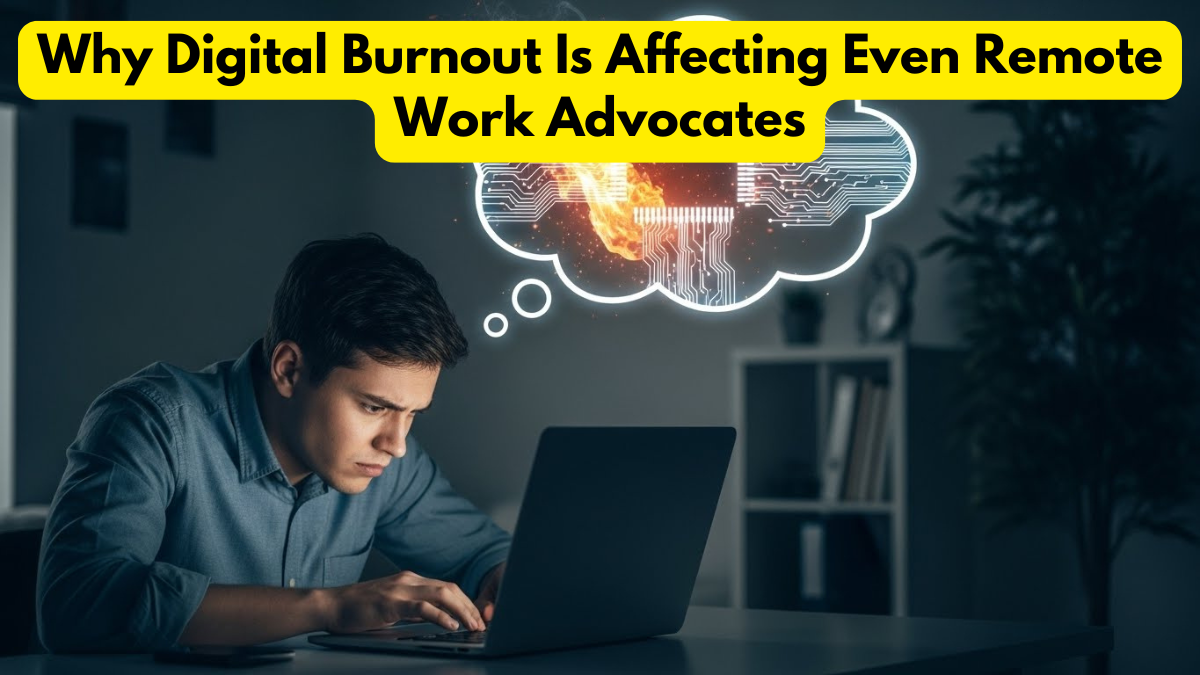
Digital burnout refers to emotional, cognitive, and physical exhaustion caused by prolonged exposure to digital work demands. Unlike traditional burnout, which often stems from workload alone, digital burnout is driven by constant connectivity and screen-based interaction. In remote work settings, boundaries between professional and personal life blur easily, making disengagement difficult. Continuous overconnection keeps the brain in a heightened state of alert, reducing opportunities for mental recovery. Over time, this strain directly affects mental health, leading to fatigue, irritability, and declining motivation.
Why Remote Work Can Increase Burnout Risks
While remote work offers flexibility, it also introduces unique challenges that contribute to digital burnout. Without physical separation between work and home, employees often extend working hours unintentionally. Digital collaboration tools, designed to improve efficiency, can amplify overconnection by creating expectations of immediate response. As a result, individuals struggle to disconnect, even outside official work hours. This constant engagement weakens mental health, as the mind lacks sufficient downtime to process stress and restore focus.
Overconnection and Its Impact on Mental Health
Overconnection is a defining factor in digital burnout, characterized by uninterrupted digital engagement across devices and platforms. Notifications, emails, and messages demand constant attention, fragmenting concentration and increasing cognitive load. Over time, this pattern disrupts sleep, increases anxiety, and reduces emotional resilience. The link between digital burnout and mental health becomes especially evident when individuals feel guilty for disconnecting. In remote work cultures where visibility equates to productivity, overconnection often goes unnoticed until symptoms escalate.
Productivity Myths and the Reality of Digital Burnout
A common misconception is that constant availability leads to higher productivity. In reality, digital burnout undermines performance by reducing creativity, focus, and decision-making quality. Employees experiencing digital burnout often require more time to complete tasks and are more prone to errors. In remote work environments, this decline can be subtle but cumulative. Ignoring the effects of overconnection not only harms mental health but also weakens organizational outcomes, challenging the belief that more connectivity equals better results.
Common Signs of Digital Burnout
Recognizing digital burnout early can prevent long-term consequences. Common indicators include:
- Persistent fatigue despite adequate rest
- Difficulty disengaging from remote work tasks
- Increased irritability and reduced motivation
- Anxiety linked to constant overconnection
- Declining mental health and emotional balance
These signs suggest the need for intentional changes in digital habits and work structures.
Digital Burnout in Remote vs Onsite Work
| Aspect | Remote Work | Onsite Work |
|---|---|---|
| Connectivity level | High and constant | Moderated |
| Boundary control | Often blurred | More defined |
| Risk of overconnection | High | Lower |
| Digital burnout risk | Elevated | Moderate |
| Mental health impact | Significant if unmanaged | Variable |
This comparison highlights why digital burnout is particularly prevalent in remote work environments driven by overconnection.
Addressing Digital Burnout Proactively
Reducing digital burnout requires a shift in how work is structured and evaluated. Encouraging asynchronous communication, setting clear availability expectations, and promoting screen breaks can reduce overconnection. Leaders play a critical role by modeling healthy digital behavior and prioritizing mental health. In remote work settings, intentional rituals that signal the end of the workday help restore balance. Addressing digital burnout proactively benefits both individuals and organizations by sustaining energy, engagement, and wellbeing.
The Long-Term Implications for Remote Work Culture
If left unaddressed, digital burnout could undermine the long-term appeal of remote work. Talented professionals may disengage or leave roles that fail to respect psychological boundaries. Conversely, organizations that recognize the risks of overconnection and invest in mental health support are more likely to retain talent and foster sustainable performance. The future of remote work depends on acknowledging that flexibility must be paired with intentional disconnection to prevent digital burnout.
Conclusion
The rise of digital burnout among remote professionals reveals a critical paradox of modern work. While remote work offers freedom and efficiency, unchecked overconnection can erode mental health and productivity. Recognizing the signs of digital burnout and addressing its root causes is essential for creating sustainable digital workplaces. By redefining success beyond constant availability, individuals and organizations can protect wellbeing while preserving the benefits of flexible work in a connected world.
FAQs
What is digital burnout?
Digital burnout is exhaustion caused by prolonged and excessive digital engagement, leading to stress and reduced mental health.
Why does remote work increase digital burnout?
Remote work often blurs boundaries, increasing overconnection and making it harder to disengage from work.
How does overconnection affect mental health?
Overconnection disrupts rest, increases anxiety, and contributes to declining mental health over time.
Can digital burnout reduce productivity?
Yes, digital burnout lowers focus, creativity, and efficiency, negatively impacting performance.
How can digital burnout be prevented?
Setting boundaries, limiting overconnection, and prioritizing mental health support can help prevent digital burnout.
Click here to learn more