In today’s globalized world, cultural diversity has become an essential component of successful and competitive workplaces. Organizations that embrace employees from different backgrounds, cultures, and life experiences gain access to a wider range of perspectives, ideas, and problem-solving approaches. This shift is transforming how modern teams collaborate, communicate, and innovate. As a result, the positive teamwork benefits of diverse groups have become widely recognized across industries. At the same time, companies are placing greater importance on workplace inclusion, ensuring that employees feel valued and empowered regardless of their cultural identity.
The rise of multicultural teams reflects a broader societal shift toward openness, respect, and equality. When employees feel comfortable expressing their unique viewpoints, they contribute more actively and confidently. This not only enhances team performance but also promotes creativity and long-term organizational growth. Understanding the power of cultural diversity is vital for businesses that want to stay competitive and adapt to an evolving global workforce.
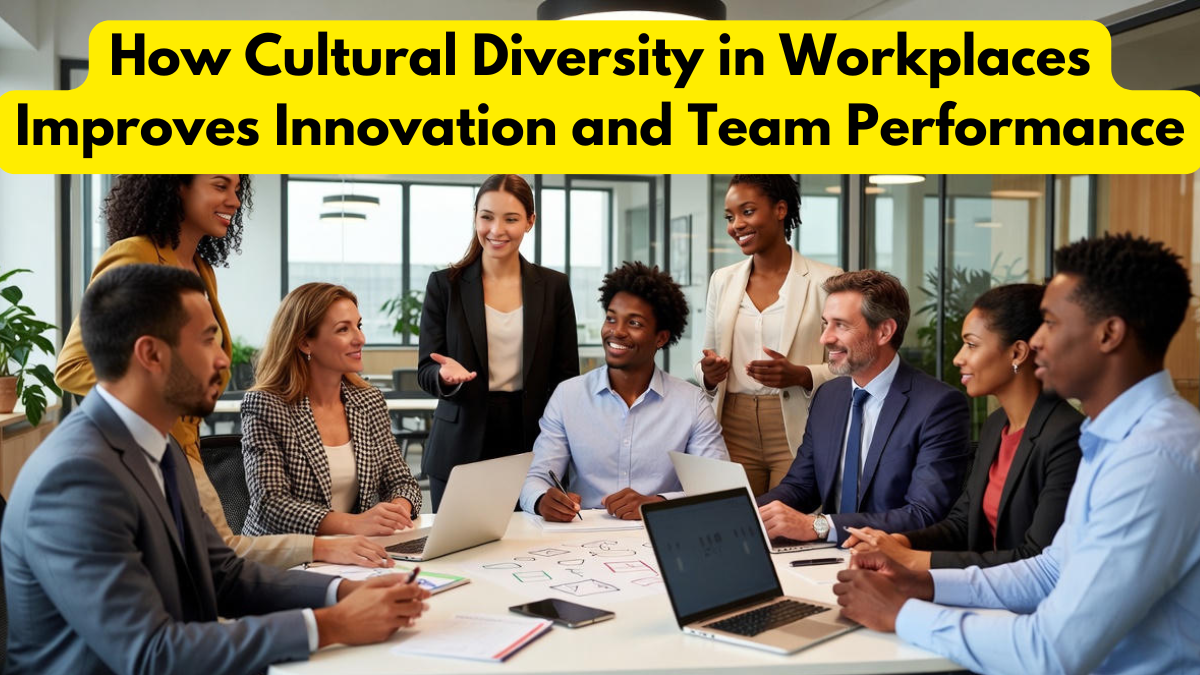
Why Cultural Diversity Strengthens Teamwork
Embracing cultural diversity encourages collaboration by bringing together individuals with differing ideas, traditions, and communication styles. These differences create opportunities for team members to learn from each other and build stronger working relationships. Diverse groups often develop innovative solutions because they approach problems from multiple angles. This exchange of ideas leads to noticeable teamwork benefits, such as improved cooperation, creativity, and interpersonal understanding.
Furthermore, cultural diversity helps employees develop empathy and open-mindedness. When team members understand and respect one another’s backgrounds, communication becomes smoother and misunderstandings reduce. These positive interactions create a supportive environment where collaboration thrives. In the long run, diverse teams perform better because they integrate varied knowledge and experiences into daily decision-making.
The Importance of Workplace Inclusion in Diverse Environments
While cultural diversity is valuable, it must be supported by strong workplace inclusion practices. Inclusion ensures that all team members feel acknowledged, heard, and respected. Without inclusion, diversity cannot reach its full potential. Inclusive workplaces foster trust and encourage participation, enabling individuals to contribute their best ideas without fear of judgment.
Effective inclusion strategies include mentorship programs, cultural awareness training, and leadership support. These initiatives help break down barriers and create equitable opportunities for employees. When companies prioritize workplace inclusion, they promote fairness and empower diverse voices. This ultimately enhances the teamwork benefits of multicultural groups, leading to stronger team performance and higher job satisfaction.
Table: How Cultural Diversity Enhances Workplace Performance
| Workplace Factor | Impact of Cultural Diversity | Resulting Teamwork Benefits |
|---|---|---|
| Creativity & Innovation | Introduces new perspectives | Encourages fresh, original ideas |
| Communication | Builds cross-cultural understanding | Improves collaboration and trust |
| Problem-Solving | Brings diverse experiences | Leads to faster, better solutions |
| Inclusion & Respect | Supports equal participation | Strengthens team morale |
| Productivity | Enhances motivation and engagement | Boosts overall team performance |
This table shows how cultural diversity creates meaningful teamwork benefits and promotes stronger workplace inclusion, ultimately elevating organizational success.
How Cultural Diversity Drives Organizational Growth
Modern organizations understand that cultural diversity is more than a social responsibility—it is a key driver of growth. Diverse teams represent multiple viewpoints, making them better equipped to understand global markets, customer needs, and industry trends. This helps businesses expand internationally and innovate more effectively. Companies that invest in multicultural talent often experience improved financial performance, higher employee retention, and greater adaptability.
The connection between diversity and workplace inclusion also plays a significant role in organizational growth. When companies build inclusive environments, employees feel supported and remain loyal. This reduces turnover and strengthens the company culture. With stronger cohesion and healthier communication, teams maximize teamwork benefits, completing projects more efficiently and achieving long-term objectives.
Conclusion
The value of cultural diversity in modern workplaces is undeniable. As companies continue to embrace global talent, they unlock new pathways for creativity, innovation, and collaboration. The combination of diverse perspectives, strong teamwork benefits, and meaningful workplace inclusion creates environments where employees thrive. By prioritizing diversity and inclusion, organizations not only strengthen their internal culture but also position themselves for long-term success in an increasingly interconnected world.
FAQs
How does cultural diversity improve teamwork?
Cultural diversity improves teamwork by bringing different perspectives and encouraging open communication, leading to better collaboration.
Why is workplace inclusion important?
Workplace inclusion ensures that all employees feel valued and supported, enabling them to contribute equally and confidently.
Do diverse teams perform better?
Yes, diverse teams often outperform homogenous ones because they integrate varied ideas, experiences, and problem-solving approaches.
How can companies promote workplace inclusion?
Companies can promote inclusion through mentorship programs, open communication, cultural awareness training, and supportive leadership.
What are the long-term benefits of cultural diversity in workplaces?
Long-term benefits include improved innovation, stronger teamwork, better employee satisfaction, and enhanced organizational growth.
Click here to learn more