In a world ruled by constant notifications, endless scrolling, and digital overload, a quiet rebellion is taking shape. More people are now choosing minimalist smartphones as a way to regain control over their time, focus, and mental clarity. These devices reject the “more is better” philosophy of modern tech and embrace intentional limitation instead. At the heart of this movement lies the powerful philosophy of digital minimalism, which encourages people to use technology carefully, purposefully, and without mental dependency. Minimalist smartphones are no longer niche gadgets for tech rebels—they are becoming symbols of balance, freedom, and conscious living in an increasingly distracted world.
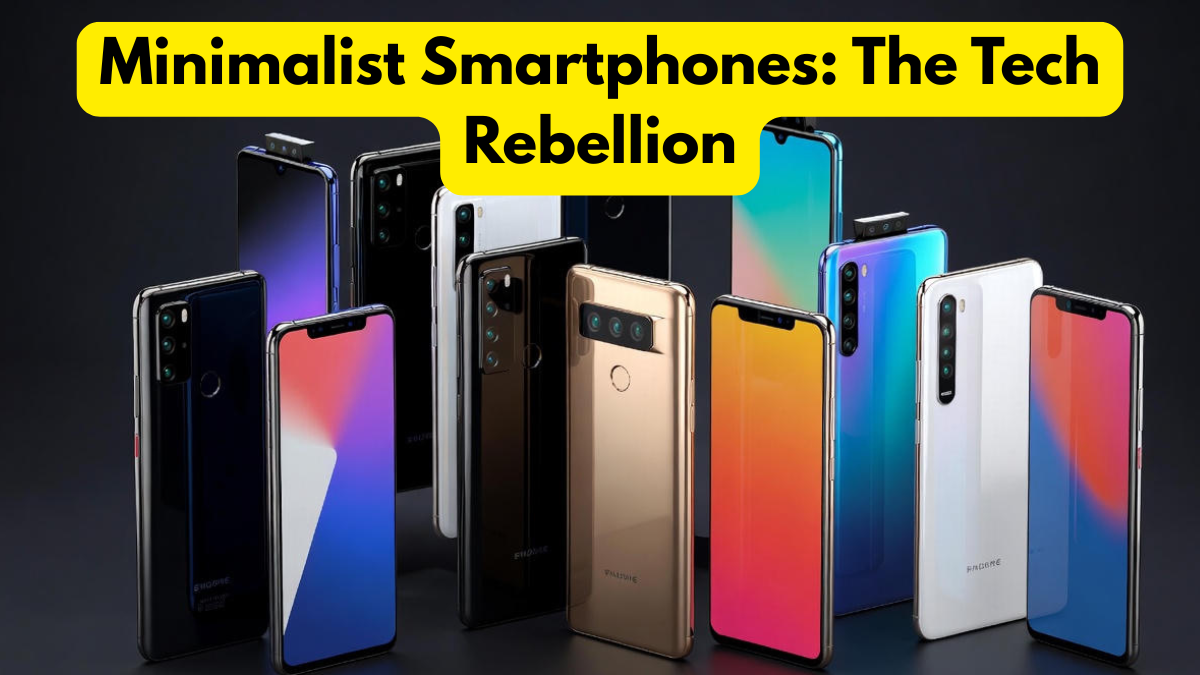
What Are Minimalist Smartphones and How They Differ
minimalist smartphones are devices that intentionally limit features to reduce distraction. Unlike traditional smartphones filled with social media apps, games, and constant alerts, these phones focus on essential functions such as calling, texting, navigation, music, and sometimes basic internet tools. Their purpose is not to entertain endlessly, but to support daily life without hijacking attention. This design philosophy aligns directly with digital minimalism, which prioritizes intentional use over compulsive consumption.
What truly separates minimalist smartphones from regular devices is not just fewer apps—it is the mindset behind them. These phones are built to discourage multitasking, addictive behavior, and mindless scrolling. Many models use monochrome displays, simplified interfaces, and even limited app stores. By doing so, they create friction between the user and digital temptation, making it easier to engage with real life rather than constant screens. Through this intentional design, minimalist smartphones bring the principles of digital minimalism into a physical technological form.
Why Digital Minimalism Is Driving the Tech Rebellion
The rise of digital minimalism is a direct response to digital burnout. People now spend an alarming number of hours on their phones every day, often without realizing where that time goes. This continuous stimulation leads to anxiety, poor attention span, sleep disorders, and emotional exhaustion. As awareness grows, people begin searching for ways to disconnect without completely abandoning technology. This is exactly where minimalist smartphones enter the picture.
Digital minimalism teaches that technology should serve human goals, not control them. Instead of reacting to every alert or update, users choose when and how they interact with their devices. minimalist smartphones make this possible by removing the tools that cause compulsive behavior in the first place. This is why many professionals, students, athletes, and even parents are turning toward this minimalist tech movement. They are not rejecting technology—they are reclaiming it under the philosophy of digital minimalism.
Minimalist Smartphones vs Regular Smartphones
The difference between traditional smartphones and minimalist smartphones becomes very clear when comparing how they affect daily life, attention, and emotional well-being:
| Feature | Regular Smartphones | Minimalist Smartphones | Impact on Digital Minimalism |
|---|---|---|---|
| App access | Unlimited | Highly restricted | Strong support |
| Screen design | Colorful, stimulating | Often monochrome and simple | Reduces distraction |
| Notification frequency | Constant | Minimal | Improves focus |
| Social media usage | Heavy | Limited or blocked | Encourages real-life presence |
| Battery life | Moderate | Very long | Less digital dependence |
This table clearly shows why minimalist smartphones are ideal tools for practicing digital minimalism. They don’t just limit features—they reshape how people mentally interact with technology.
How Minimalist Smartphones Improve Focus and Mental Health
One of the most powerful benefits of minimalist smartphones is the dramatic improvement in mental clarity and focus. When people stop receiving constant pings from social media, emails, and apps, their minds begin to slow down. This reduction in cognitive overload allows deeper thinking, longer attention spans, and emotional stability. These effects perfectly reflect the core benefits of digital minimalism.
Users of minimalist smartphones often report:
- Reduced anxiety and restlessness
- Better sleep quality
- Improved productivity and time awareness
- Higher emotional presence in relationships
- Stronger control over attention
The constant interruption cycle created by modern smartphones fragments thinking and weakens emotional regulation. By contrast, minimalist smartphones remove these interruptions at the system level. Instead of relying on willpower to stop scrolling, the device itself supports digital minimalism by making distraction harder to access.
The Lifestyle and Cultural Shift Behind Minimalist Smartphones
The rise of minimalist smartphones reflects a deeper cultural shift. People are beginning to question the long-term psychological cost of hyper-connectivity. Work boundaries are blurring, social comparison is accelerating, and digital addiction is becoming medically recognized. In response, digital minimalism is no longer just a philosophy—it is becoming a survival strategy for mental health.
This shift is especially visible among:
- Students seeking better concentration
- Creators wanting deeper creative flow
- Professionals fighting burnout
- Parents protecting children from screen dependency
- Individuals pursuing slower, intentional lifestyles
Minimalist smartphones fit perfectly into all these areas. They align with movements like slow living, mindfulness, emotional decluttering, and work-life balance. By simplifying digital life, they help simplify emotional and mental life as well. This is why digital minimalism and minimalist smartphones are now seen not as extreme choices, but as tools for healthier modern living.
Challenges of Using Minimalist Smartphones in a Hyper-Digital World
Despite their benefits, minimalist smartphones do present certain challenges. Many essential services today rely on apps—banking, transportation, authentication, healthcare, and communication platforms often assume a fully functional smartphone. This can make fully adopting digital minimalism difficult in some environments.
Social expectations also create pressure. People assume instant replies, online presence, and app-based accessibility. Users of minimalist smartphones sometimes face misunderstanding or frustration from others who don’t share the same philosophy. However, most users report that these challenges push them to create clearer boundaries, stronger communication habits, and healthier digital expectations.
Over time, many people find hybrid solutions by using minimalist smartphones for daily life and keeping full-feature devices only for specific tasks. This balanced approach allows them to honor digital minimalism while staying functional in a connected society.
The Future of Minimalist Smartphones and Digital Minimalism
As digital fatigue continues to rise globally, the demand for minimalist smartphones is expected to grow steadily. More tech companies are now exploring distraction-free interfaces, focus-first operating systems, and human-centered device design. This shift proves that digital minimalism is influencing mainstream technology rather than remaining on the fringe.
Future developments may include:
- AI-driven focus-mode smartphones
- App ecosystems built on intentional use
- Mental-health-centered operating systems
- Adaptive distraction-blocking interfaces
- Child-safe minimalist phone models
These innovations will push minimalist smartphones deeper into everyday life, shaping a future where technology serves clarity instead of chaos. As awareness spreads, digital minimalism will likely become a standard principle in how people choose and use their devices.
Conclusion
The rise of minimalist smartphones represents a powerful rebellion against distraction, dependency, and digital overload. By supporting the philosophy of digital minimalism, these devices allow individuals to reclaim attention, emotional presence, and mental balance in a world dominated by constant stimulation. They are not anti-technology—they are pro-human focus. As people continue to struggle with burnout, anxiety, and fragmented attention, minimalist smartphones offer a practical, physical solution to a deeply psychological problem. This tech rebellion is not about going backward—it is about moving forward with intention, clarity, and control.
FAQs
What are minimalist smartphones?
Minimalist smartphones are devices designed with limited features to reduce distraction and support focused, intentional technology use.
How do minimalist smartphones support digital minimalism?
They physically remove access to addictive apps and notifications, making digital minimalism easier to practice daily.
Do minimalist smartphones still allow calls and messages?
Yes, calling and texting are core features of minimalist smartphones along with basic tools like maps and music.
Are minimalist smartphones suitable for working professionals?
Yes, many professionals use them to improve focus, productivity, and work-life balance through digital minimalism.
Do minimalist smartphones completely replace regular smartphones?
Some users fully switch, while others use them alongside traditional devices depending on lifestyle and work needs.
Click here to learn more