The rise of industrial robotics has transformed the global manufacturing landscape, reshaping how industries operate and how workers perform daily tasks. Modern factories now rely heavily on robotic systems designed to handle repetitive, dangerous, and physically demanding processes with precision and speed. This shift toward advanced automation is driven by the growing need for efficiency, productivity, and worker safety. As industries continue to modernize, the automation advantages offered by robotics are becoming essential for staying competitive in an increasingly technology-driven world.
Why Industrial Robotics Are Becoming Essential in Modern Manufacturing
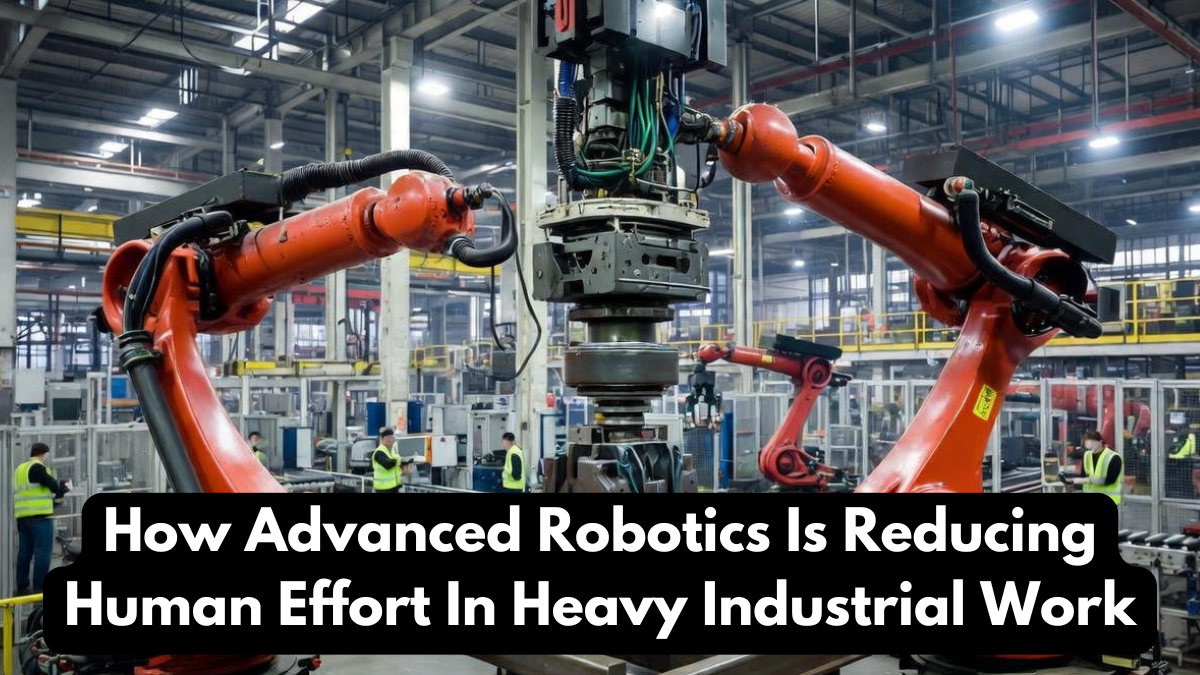
One of the key reasons for the expansion of industrial robotics is the need to reduce human effort in heavy and hazardous tasks. Robots can perform tasks such as welding, lifting, packaging, and assembly with far greater consistency than humans. These automated systems help companies improve production quality while reducing workplace injuries. As manufacturing demands increase, industries rely on robotics to maintain speed and precision, demonstrating the growing influence of automation advantages on global production.
Additionally, robotic systems can operate 24/7 without fatigue, allowing factories to meet tight deadlines and high-volume orders. This continuous workflow lowers labor costs and enhances operational efficiency. The reliability and accuracy of industrial robotics make them invaluable assets in industries such as automotive manufacturing, electronics production, pharmaceuticals, and metal fabrication. As technology advances, the role of robotics continues to grow in both scale and importance.
How Automation is Improving Productivity Across Industries
The benefits of automation advantages extend beyond physical labor reduction. Robotics improve workflow organization, reduce human error, and enhance product consistency. Modern robots are designed to multitask, adapt to various production requirements, and interact safely with human workers. These features make them suitable for both large-scale factories and smaller businesses seeking cost-effective solutions.
Below is a table showing how industrial robotics enhance various sectors:
| Industrial Sector | Robotic Function | Key Automation Advantages |
|---|---|---|
| Automotive | Assembly and welding | Faster production, improved precision |
| Electronics | Micro-component handling | Reduced error, increased consistency |
| Food Processing | Packaging and sorting | Higher hygiene, minimized contamination |
| Metalwork | Cutting and fabrication | Greater accuracy, safer operations |
These examples highlight how industrial robotics support companies across different fields, increasing productivity and ensuring consistent high-quality results.
The Role of Robotics in Enhancing Worker Safety
A major concern in traditional industrial environments is the risk of injuries caused by heavy lifting, toxic chemicals, high temperatures, and repetitive strain. By integrating industrial robotics, companies significantly reduce these risks. Robots take on dangerous tasks, allowing human workers to focus on supervision, quality control, and problem-solving. This shift not only reduces workplace accidents but also improves overall employee well-being.
The automation advantages extend to long-term health benefits as well. Workers exposed to continuous heavy labor often experience chronic injuries, respiratory issues, or fatigue. Robotics help eliminate these risks by reducing physical strain. As a result, industries see lower medical costs, fewer sick days, and improved workforce morale. Safer working environments lead to better performance and stronger job satisfaction.
Technological Innovations Driving Robotics Forward
The rapid advancement of technology has accelerated the adoption of industrial robotics. Modern robots are equipped with sensors, artificial intelligence, and machine-learning capabilities that allow them to analyze data, learn from tasks, and adjust to new environments. These innovations enhance flexibility, accuracy, and reliability across industries.
Collaborative robots, or cobots, represent one of the most notable automation advantages. Unlike traditional robots that operate behind safety barriers, cobots work directly alongside human workers. They are lightweight, easy to program, and designed to adapt to various tasks. Their ability to enhance human labor rather than replace it makes them increasingly popular in small and medium-sized businesses.
Furthermore, advanced robotic vision systems allow machines to detect shapes, colors, and patterns, improving accuracy in inspection, sorting, and assembly tasks. Predictive maintenance technology also helps robots detect problems early, reducing downtime and repair costs. These innovations continue to strengthen the role of industrial robotics in shaping the future of manufacturing.
The Economic Impact of Robotics on Global Industries
From a financial perspective, the integration of industrial robotics results in substantial cost savings. Automated systems reduce waste, increase production speed, and improve product quality—all of which contribute to higher profitability. Companies adopting robotics are better equipped to compete in global markets where efficiency and precision are critical.
The automation advantages also extend to job creation in new fields. While robots handle repetitive tasks, skilled workers are needed to manage, program, repair, and supervise robotic systems. This shift creates opportunities for employees to learn advanced technical skills, ensuring long-term career growth. As industries evolve, robotics continue to drive economic development and innovation.
Conclusion
The increasing use of industrial robotics marks a significant step forward in global manufacturing and industrial development. By reducing human effort, improving precision, and enhancing safety, robotics have become indispensable tools for modern industries. The numerous automation advantages help companies achieve higher productivity, lower costs, and better working conditions for employees. As technology continues to advance, robotics will play an even greater role in shaping the future of industrial operations, driving progress across multiple sectors.
FAQs
How do industrial robotics improve workplace safety?
They perform dangerous tasks, reducing human exposure to hazardous environments.
What are the main automation advantages in manufacturing?
Automation increases productivity, improves accuracy, lowers costs, and reduces human error.
Do robots replace human workers?
Robots replace repetitive tasks, but they also create new jobs in programming, maintenance, and supervision.
Why are industrial robots becoming more common?
They offer consistent performance, operate continuously, and enhance production efficiency.
How does automation benefit small businesses?
It reduces labor costs, improves product quality, and enhances competitiveness through efficient production.
Click here to learn more