Nearly everyone has a collection of unfinished projects tucked away—half-read books, paused creative work, incomplete home improvements, or long-abandoned goals. While these tasks may seem harmless, they often linger in the background of the mind, quietly generating stress. Over time, these unresolved commitments create a significant emotional load, affecting focus, motivation, and overall well-being. Understanding why unfinished tasks drain mental energy helps individuals build healthier habits and reclaim a sense of calm. These projects are more than simple to-dos; they represent unmet expectations, disrupted momentum, and emotional clutter.
The psychological weight of incomplete tasks
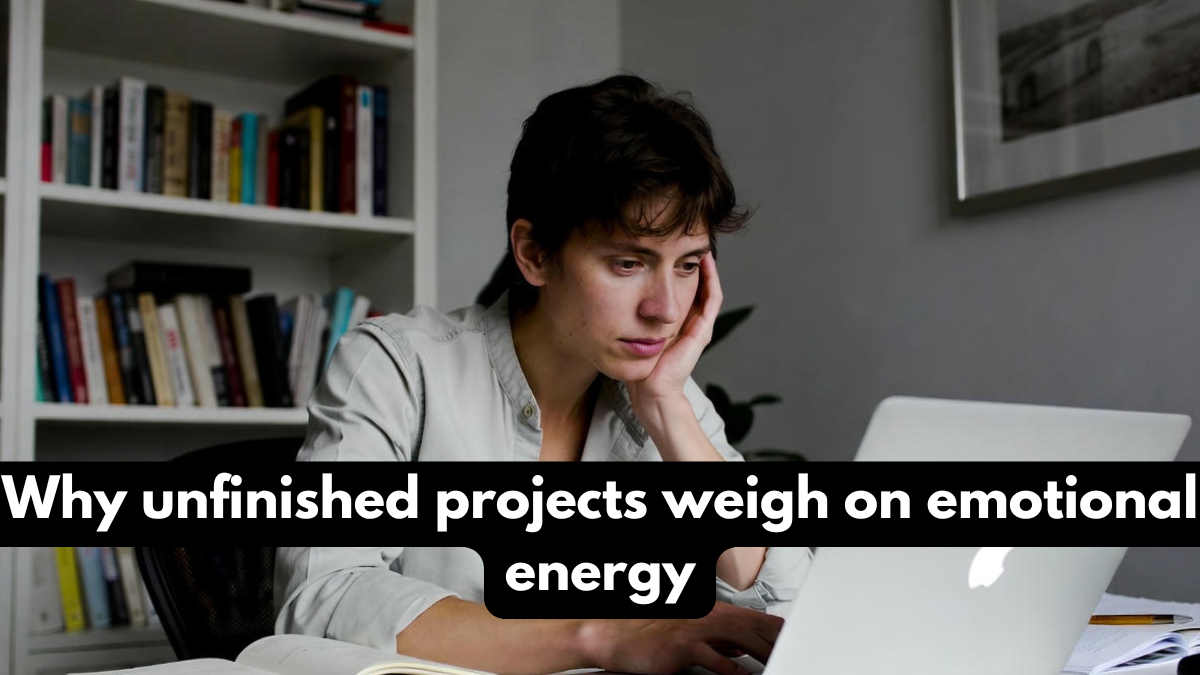
When people leave unfinished projects behind, their brains continue treating them as active commitments. This cognitive phenomenon, known as the Zeigarnik effect, explains why uncompleted tasks linger in memory longer than completed ones. As a result, individuals feel a subtle but persistent emotional load, even if they are not consciously thinking about the project. This mental pressure builds over time, creating feelings of guilt, overwhelm, or frustration. The open cycle of “I still need to finish this” becomes a recurring thought that drains energy and reduces mental clarity.
Furthermore, unfinished projects often represent personal aspirations or identity-driven goals. Whether it’s a novel someone intended to write or a certification they wanted to earn, leaving these tasks incomplete can create emotional disappointment. This emotional tension affects confidence and dampens motivation for future goals.
Why modern lifestyles increase unfinished projects
Modern life encourages constant multitasking, which significantly contributes to the rise of unfinished projects. People take on more tasks than they can realistically manage, often shifting between responsibilities without fully completing them. This scattered approach leads to a growing emotional load as commitments accumulate. Digital environments amplify this challenge—online courses, creative apps, and productivity tools make it easy to start new projects quickly but not necessarily finish them.
At the same time, societal pressure to stay productive can make individuals feel obligated to pursue new goals, even when they lack time or emotional bandwidth. This cycle of starting without finishing creates clutter both physically and mentally. As tasks pile up, people may avoid them altogether, increasing their emotional burden and sense of failure.
Comparing how different types of unfinished projects affect emotional energy
The table below highlights how various types of unfinished projects contribute differently to a person’s emotional load:
| Type of Unfinished Project | Example | Emotional Load Impact |
|---|---|---|
| Creative Projects | Half-written stories, paused artwork | Creates guilt tied to personal identity and ambition |
| Home Projects | Unfinished repairs, incomplete organization | Generates persistent stress from disrupted environments |
| Skill-Building Projects | Incomplete courses, dropped hobbies | Causes disappointment and reduced self-esteem |
| Work-Related Tasks | Pending emails, incomplete reports | Leads to anxiety and decreased productivity |
| Personal Goals | Fitness routines, long-term plans | Creates emotional tension from unmet expectations |
This comparison shows how unfinished tasks affect different areas of life, often contributing to emotional strain more than people realize.
How finishing or reframing tasks reduces emotional burden
The good news is that individuals can regain control by addressing unfinished projects intentionally. One effective strategy is to categorize tasks based on relevance and capacity. Some projects no longer align with personal goals and can be released without guilt. Letting go of unnecessary commitments significantly reduces emotional load, freeing mental space for priorities that matter.
For projects that truly matter, breaking them into smaller, manageable steps can rebuild momentum. Completing even one small task creates a sense of accomplishment, motivating individuals to continue. Setting realistic timelines also prevents overwhelm. Instead of pressuring themselves to finish everything at once, people can schedule small bursts of effort that gradually reduce the emotional burden.
Additionally, reframing unfinished projects as learning experiences rather than failures helps ease emotional tension. Recognizing that interests evolve, circumstances change, and priorities shift allows individuals to approach tasks with compassion rather than criticism. This shift supports emotional resilience and helps people move forward with clarity and confidence.
How emotional load impacts long-term mental health
The emotional load created by unfinished tasks doesn’t just affect daily mood—it can influence long-term mental well-being. Persistent feelings of guilt, overwhelm, or avoidance may lead to increased anxiety or reduced motivation. Individuals who carry too many unresolved commitments may experience chronic stress, decision fatigue, or creative block. These symptoms disrupt productivity and make it more difficult to pursue meaningful goals.
On the other hand, addressing unfinished projects mindfully can significantly improve emotional health. Finishing tasks, releasing irrelevant ones, and simplifying commitments helps individuals reclaim mental space. This sense of control boosts confidence, encourages productivity, and supports healthier emotional patterns. Over time, managing unfinished projects becomes an essential part of maintaining emotional balance and mental clarity.
Conclusion
Unfinished projects carry far more psychological weight than people often realize. They create a persistent emotional load, draining energy and diminishing motivation. By understanding why incomplete tasks affect emotional well-being, individuals can develop healthier strategies for prioritizing, completing, or letting go of commitments. Addressing these projects mindfully leads to mental clarity, renewed motivation, and a greater sense of calm. When people take control of their unfinished tasks, they reclaim not only their time but also their emotional energy.
FAQs
Why do unfinished projects cause stress?
Unfinished projects linger in the mind, creating a continuous emotional load that leads to guilt, overwhelm, and mental fatigue.
How can I reduce the emotional weight of incomplete tasks?
Prioritize tasks, release irrelevant projects, and break important ones into smaller steps to reduce emotional load.
Do unfinished creative projects affect self-esteem?
Yes, creative projects often tie to personal identity, so leaving them unfinished can negatively impact confidence.
Why do people start more projects than they finish?
Modern multitasking, digital distractions, and societal pressure to stay productive contribute to rising unfinished projects.
Can finishing small tasks improve emotional energy?
Absolutely. Completing even minor tasks provides momentum, reduces emotional load, and boosts overall well-being.
Click here to learn more