The design of a workspace or living environment is influenced by many factors, but one of the most powerful and often overlooked is interior lighting. Light shapes the atmosphere of a room, influences mood, and directly affects cognitive performance. As people spend more time indoors—whether working, studying, or resting—lighting quality becomes increasingly important for achieving balance and maintaining well-being. Well-planned lighting can create significant productivity boosts, helping individuals stay alert, focused, and emotionally stable throughout the day. Understanding how lighting impacts the mind and body is essential for anyone seeking to build an environment that supports both calmness and efficiency.
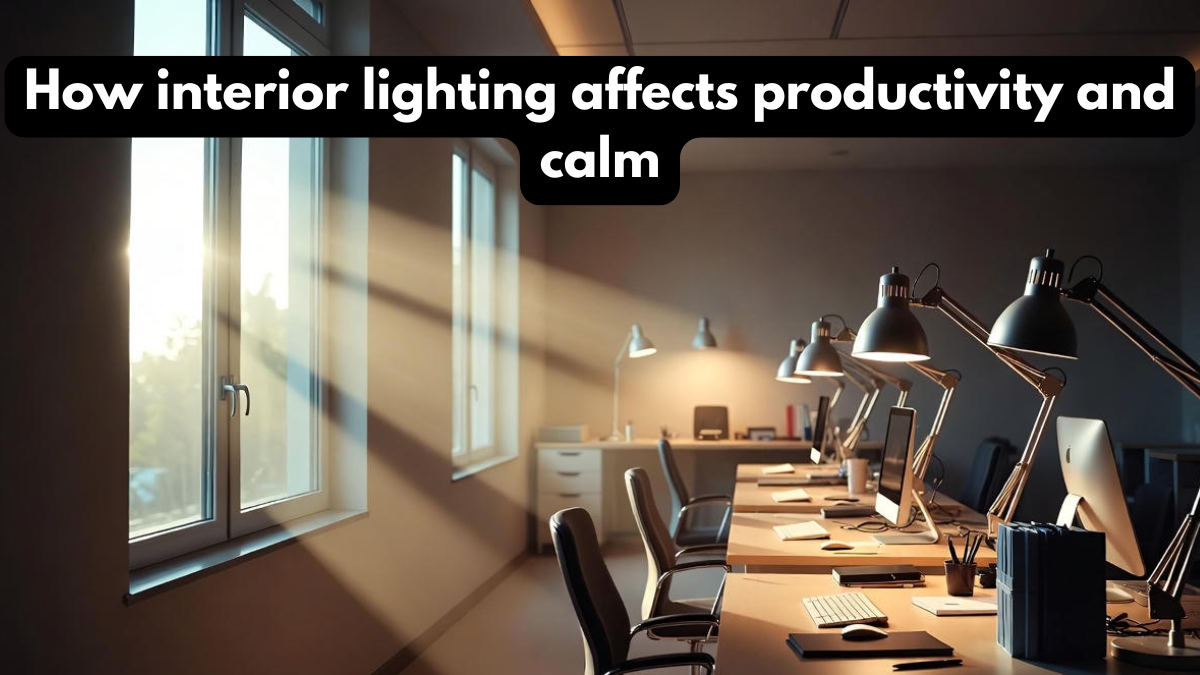
Why lighting plays a central role in daily functioning
Light influences human physiology in profound ways. Natural light signals the brain to stay awake and alert, while dim or artificial lighting can create feelings of fatigue or sluggishness. This relationship between interior lighting and human performance explains why poorly lit rooms often feel draining or unmotivating. Bright, balanced light has been shown to increase energy levels, regulate circadian rhythms, and improve concentration. As a result, adjusting lighting conditions can lead to noticeable productivity boosts, allowing people to work more effectively and maintain emotional equilibrium.
Lighting also affects emotional well-being. Warm tones tend to evoke feelings of comfort and relaxation, while cool tones encourage clarity and alertness. When used intentionally, these variations help individuals transition between different tasks and mental states without stress. The right lighting design ensures that spaces feel inviting, functional, and psychologically supportive.
The psychological effects of interior lighting
The psychological effects of interior lighting extend beyond physical visibility. Lighting influences perception, emotion, and decision-making. For example, overly harsh lighting may create an atmosphere of tension, while insufficient lighting can make tasks more difficult, increasing frustration. Balanced lighting creates harmony, helping individuals feel grounded, calm, and capable. These emotional responses play a crucial role in achieving productivity boosts, especially in environments where focus and well-being are essential.
Additionally, lighting impacts creativity. Studies have shown that dimmer lighting encourages abstract thinking and imaginative problem-solving, while bright lighting supports detailed tasks and analytical work. Tailoring lighting to specific activities helps ensure optimal mental performance. This flexibility is particularly important in multipurpose rooms where people may switch between studying, relaxing, and working.
Comparing lighting types and their effects on productivity
Below is a table comparing various forms of interior lighting and how they contribute to well-being and productivity boosts:
| Lighting Type | Description | Effect on Productivity |
|---|---|---|
| Natural Light | Sunlight from windows or skylights | Increases alertness, improves mood, enhances cognitive performance |
| LED Bright Light | Cool-toned artificial lighting | Supports focus, accuracy, and sustained attention |
| Warm Ambient Light | Soft, warm-toned lighting | Promotes relaxation, reduces stress, good for winding down |
| Task Lighting | Focused light for work or reading | Improves precision and reduces eye strain |
| Decorative Accent Lighting | Visual, mood-enhancing lighting | Enhances atmosphere but minimal productivity impact |
This comparison illustrates how different lighting choices influence both emotional tone and work performance.
How lighting design supports productivity and calm
Thoughtful lighting design combines multiple light sources to create dynamic environments. Using layers of interior lighting, such as overhead lights, task lamps, and ambient fixtures, individuals can adjust brightness levels to match their needs. This flexibility helps people transition between high-focus and low-stress environments, leading to stable productivity boosts.
Workspaces benefit from bright, cool lighting that increases alertness and reduces eye strain. Living areas, on the other hand, often feel more inviting with warm ambient lighting. When these elements are combined strategically, they offer both stimulation and comfort. Adjustable lighting systems—such as dimmable fixtures or smart bulbs—allow users to fine-tune brightness throughout the day, mirroring natural light patterns and supporting circadian rhythms.
Beyond functional lighting, aesthetic considerations also matter. A well-lit space feels more open and welcoming, reducing anxiety and enhancing emotional calm. This balance between visual comfort and functional brightness helps individuals remain productive without feeling overwhelmed.
Interior lighting and the modern work-life balance
As remote work becomes more common, individuals have greater control over how they design their environments. Investing in high-quality interior lighting has become a priority for many people seeking both comfort and efficiency. Proper lighting reduces fatigue during long work sessions, supports healthier sleep patterns, and improves overall well-being. These benefits collectively lead to substantial productivity boosts, making lighting one of the most impactful components of a functional living or working space.
Additionally, wellness-focused design trends now emphasize natural light, energy-efficient bulbs, and reduced glare to support mental calmness. The growing awareness of lighting’s impact on mental health is shaping modern interior design, encouraging people to view lighting as a tool for emotional and cognitive support rather than simply a functional necessity.
Conclusion
Interior lighting plays a transformative role in shaping how people feel, think, and work. By influencing emotional states, cognitive performance, and daily rhythms, lighting design directly contributes to meaningful productivity boosts. With the right combination of natural light, task lighting, and ambient fixtures, individuals can create environments that promote clarity, focus, and calmness. As more people prioritize well-being in their personal and professional spaces, lighting will continue to be a key element in building supportive, energizing, and balanced environments.
FAQs
How does interior lighting impact productivity?
The right lighting enhances alertness, reduces eye strain, and supports focus, leading to noticeable productivity boosts.
Is natural light better than artificial light?
Yes, natural light generally improves mood, energy, and cognitive performance more effectively than artificial lighting.
What type of lighting is best for working?
Cool-toned LED or task lighting supports concentration and reduces fatigue during detailed tasks.
Can lighting affect mental calm?
Absolutely. Warm, soft lighting promotes relaxation and emotional calm, supporting overall well-being.
How can I improve lighting in my home office?
Use a combination of natural light, task lamps, and adjustable fixtures to create flexible and effective interior lighting.
Click here to learn more