Battery Swapping Trucks are emerging as a game-changing solution in the electric vehicle industry by eliminating long charging wait times and enabling seamless long-haul transportation. Instead of stopping for hours to recharge, these trucks can replace depleted batteries with fully charged ones within minutes, allowing fleets to continue operating with minimal downtime. This breakthrough is powered by advanced EV logistics tech, which streamlines energy distribution, optimizes fleet efficiency, and supports the rapid expansion of electric commercial transportation. With sustainability and performance at its core, Battery Swapping Trucks are redefining how long-distance transport operates, making EV logistics tech an essential pillar of next-generation mobility.
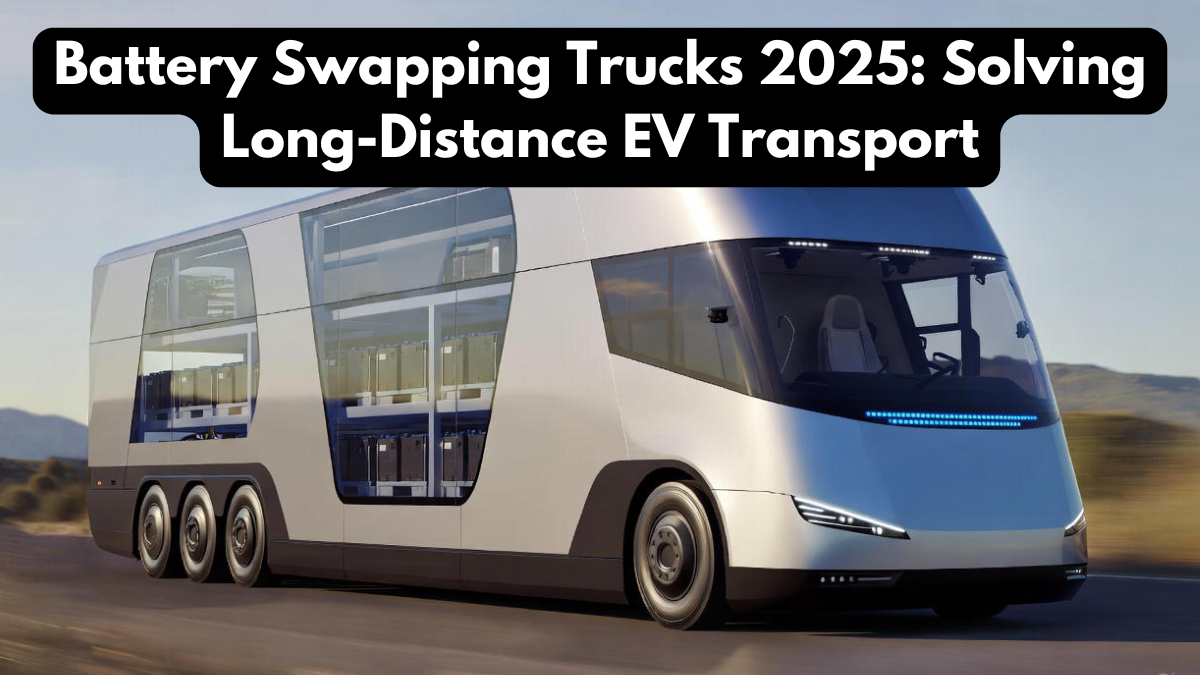
How Battery Swapping Trucks Work in Real-Time Operations
The operational model of Battery Swapping Trucks is based on modular battery systems that can be quickly removed and replaced at dedicated swapping stations. When a truck arrives at a station, automated machinery disengages the depleted battery and installs a fully charged one in a matter of minutes. This process removes the inefficiencies associated with conventional charging and ensures uninterrupted transport schedules. The seamless execution is guided by robust EV logistics tech, which monitors battery health, charge levels, and operational timings.
These intelligent systems use real-time data analytics to track battery inventory and predict demand across routes. By leveraging EV logistics tech, fleet managers can optimize deployment planning and ensure that swapping stations remain fully stocked. This infrastructure is key to enhancing the performance and scalability of Battery Swapping Trucks, making them ideal for long-haul freight, distribution networks, and time-sensitive supply chains.
Impact of EV Logistics Tech on Fleet Efficiency
The role of EV logistics tech in the success of Battery Swapping Trucks is pivotal. Advanced logistics systems coordinate vehicle routes, charging schedules, and battery availability to ensure maximum operational efficiency. This reduces idle time and allows transport companies to maintain tight delivery windows without compromising sustainability goals.
By integrating AI-powered planning tools, EV logistics tech enables predictive maintenance, battery lifecycle optimization, and energy consumption analysis. These insights allow companies to reduce operational costs while maintaining peak performance levels. The strategic integration of Battery Swapping Trucks with EV logistics tech ultimately enhances supply chain reliability and improves overall transportation productivity.
Advantages of Battery Swapping Trucks Over Traditional Charging
The shift toward Battery Swapping Trucks offers several tangible advantages for businesses and the environment. Unlike slow-charging systems, battery swapping allows continuous operation, making it perfect for commercial fleets that rely on speed and efficiency. This approach reduces vehicle downtime, increases utilization rates, and streamlines the energy supply chain through intelligent EV logistics tech.
Key advantages include:
- Reduced waiting time with Battery Swapping Trucks
- Enhanced route efficiency via EV logistics tech
- Higher fleet productivity and utilization
- Lower energy cost per trip
- Improved operational sustainability
These benefits highlight why logistics companies are rapidly adopting Battery Swapping Trucks to modernize their fleets and leverage the power of EV logistics tech for long-distance transport.
Comparison Table: Battery Swapping vs Traditional Charging
| Feature | Battery Swapping Trucks | Traditional EV Charging |
|---|---|---|
| Time Efficiency | Minutes per swap | Several hours |
| Operational Continuity | High with EV logistics tech | Limited due to downtime |
| Fleet Productivity | Maximized | Reduced |
| Infrastructure Need | Swapping stations | Charging stations |
| Long-Distance Suitability | Ideal for Battery Swapping Trucks | Less efficient |
| Cost Optimization | Improved via smart logistics | Higher due to idle time |
This comparison clearly demonstrates how Battery Swapping Trucks outperform traditional charging models by enhancing speed, efficiency, and scalability through advanced EV logistics tech.
Environmental Benefits and Sustainability
The adoption of Battery Swapping Trucks significantly reduces carbon emissions by minimizing reliance on fossil fuels. By integrating renewable energy sources into swapping stations, transport companies can further reduce their carbon footprint. The efficient management of energy flow through EV logistics tech ensures that batteries are charged using optimized energy resources, promoting sustainable transportation practices.
By lowering greenhouse gas emissions and reducing noise pollution, Battery Swapping Trucks contribute to greener supply chains and eco-friendly logistics models. These developments reinforce the role of EV logistics tech in driving sustainable business operations and aligning transportation with global environmental goals.
Economic Impact and Industry Growth
The implementation of Battery Swapping Trucks stimulates economic growth within the electric mobility sector. It encourages investment in battery manufacturing, energy infrastructure, software development, and logistics management. The demand for highly efficient EV logistics tech also creates employment opportunities across the technology and transportation industries.
For logistics companies, reduced fuel and maintenance costs translate into higher profitability and improved return on investment. This increased efficiency fosters competitiveness and accelerates the transition to electric transportation. As adoption grows, Battery Swapping Trucks supported by robust EV logistics tech will become central to modern freight systems.
Integration with Smart Infrastructure
The synergy between Battery Swapping Trucks and smart infrastructure is shaping the future of logistics. Swapping stations equipped with IoT sensors and AI analytics enable real-time monitoring and automated scheduling. These systems coordinate supply and demand seamlessly, ensuring that battery availability matches fleet requirements.
By leveraging EV logistics tech, transport networks become more flexible and responsive to fluctuating demands. This integration enhances operational agility and ensures that Battery Swapping Trucks remain efficient even during peak transportation periods or unexpected supply chain disruptions.
Future Scope and Technological Evolution
The future of Battery Swapping Trucks is promising as innovation continues to refine battery capacity, charging efficiency, and station automation. Advances in solid-state batteries and renewable energy integration will further enhance performance and reduce costs. This progress strengthens the role of EV logistics tech in transforming transportation ecosystems.
With continuous development, Battery Swapping Trucks are expected to become a standard solution for long-distance electric transport. Their ability to combine speed, sustainability, and efficiency with EV logistics tech will redefine global freight operations and contribute significantly to the green mobility revolution.
Conclusion
The introduction of Battery Swapping Trucks marks a revolutionary step in solving the challenges of long-distance electric transport. By replacing time-consuming charging with rapid battery exchanges, fleets achieve unmatched efficiency and reliability. Powered by advanced EV logistics tech, this system optimizes operations, supports environmental sustainability, and enhances economic performance. As industries embrace this innovation, Battery Swapping Trucks will continue to transform logistics infrastructure, ensuring faster, cleaner, and more sustainable transportation for the future.
FAQs
What are Battery Swapping Trucks?
Battery Swapping Trucks are electric vehicles that use interchangeable batteries, allowing quick replacement instead of long charging times.
How does EV logistics tech support these trucks?
EV logistics tech manages battery inventory, route planning, and energy distribution to optimize operational efficiency.
Are Battery Swapping Trucks suitable for long-distance transport?
Yes, they are specifically designed to support uninterrupted long-haul operations through rapid battery replacement.
Do Battery Swapping Trucks reduce operational costs?
Yes, they minimize downtime and improve fleet utilization, reducing overall transportation expenses.
Is this technology environmentally friendly?
Yes, it supports reduced emissions and efficient energy usage, aligning with sustainable transport goals.
Will EV logistics tech continue to evolve?
Yes, ongoing advancements will further optimize performance and expand the capabilities of smart logistics systems.
Click here to learn more